
Lo Esencial
Si tuviera que empezar de cero, definitivamente haría eso.
Número uno, definitivamente no me opresionaría por entrenar todos los días. Empezaría progresivamente para así tener mejores resultados.
Número dos, no seguiría dietas extremas. Definitivamente no eliminaría los copiagatos. La clave no es sufrir, es aprender a comer y hacer los los training con el tiempo.
Y número tres, no me compararía con nadie. Cada cuerpo tiene su ritmo. Lo importante acá es que mejores vos con vos mismo.
Lo más importante, buscaría una guía desde el día uno. Perdí mucho tiempo cometiendo errores que se podían solucionar con el plan y la guía correcta.
Claves que marcan la diferencia:
- Entrenar con intensidad
- Aplicar una técnica correcta
- Progresar en cargas
- Respetar descanso y nutrición
El tiempo no es la excusa, lo importante es cómo lo aprovechas.
La mayoría cree que pasar dos o tres horas entrenando es la clave, pero la verdad es que la calidad siempre supera a la cantidad. Con menos de una hora bien estructurada puedes transformar tu físico mucho más que con largas jornadas sin dirección en el gimnasio.
Si quieres que te ayude a estructurar todo esto y diseñar un plan que realmente funcione para ti, que se adapte a tu estilo de vida y te dé resultados visibles, Envíame un mensaje y lo trabajamos juntos.
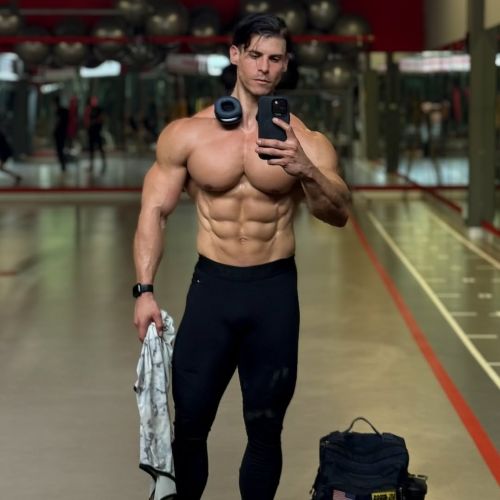
Basics
If I had to start from scratch, I would definitely do this.
Number one, I definitely wouldn't pressure myself to train every day. I would start progressively to get better results.
Number two, I wouldn't follow extreme diets. I definitely wouldn't eliminate carbs. The key isn't to suffer, it's to learn to eat and do the training over time.
And number three, I wouldn't compare myself to anyone. Every body has its own rhythm. The important thing here is that you improve compared to yourself.
Most importantly, I would seek guidance from day one. I wasted a lot of time making mistakes that could have been solved with the right plan and guidance.
Keys that make a difference:
- Train with intensity
- Apply correct technique
- Progress in weights
- Respect rest and nutrition
Time is not the excuse; what matters is how you use it.
Most people think that spending two or three hours training is the key, but the truth is that quality always surpasses quantity. With less than an hour well-structured, you can transform your physique much more than with long, undirected sessions at the gym.
If you want me to help you structure all of this and design a plan that really works for you, that adapts to your lifestyle and gives you visible results, Send me a message and we'll work on it together.
La Clave
La clave no está en hacer más, sino en alinear tus decisiones con la fisiología real de tu cuerpo. Y eso solo se logra cuando aplicás lo que la ciencia de verdad respalda.
Quál es la clave para desarrollar masa muscular?
Programación de una rutina de entrenamiento de fuerza/hipertrofia, implementando y variando diferentes metodologías de entrenamiento. Buscando adaptaciones y diferentes estímulos.
Nutrición acorde al objetivo. Una dieta con la correcta aportación calórica y distribución de macronutrientes (proteínas, grasas y carbohidratos). Que promueva un entorno hormonal idóneo para este objetivo y por ende una buena salud en general.
Descanso reparador.
Un tema súper extenso pero comparto estos puntos básicos porque quizá muchos de Uds que están empezando aún no lo saben.
Si realmente estás decidido a transformar tu cuerpo y cumplir tus objetivos, envíame un mensaje para guiarte en este proceso
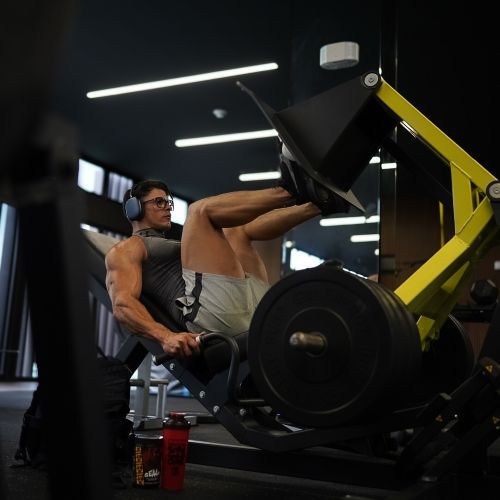
The Key
The key is not in doing more, but in aligning your decisions with the actual physiology of your body. And that is only achieved when you apply what science truly supports.
What is the key to developing muscle mass?
Programming a strength/hypertrophy training routine, implementing and varying different training methodologies. Seeking adaptations and different stimuli.
Nutrition aligned with the goal. A diet with the correct caloric intake and distribution of macronutrients (proteins, fats, and carbohydrates). That promotes an ideal hormonal environment for this goal and therefore good overall health.
Restorative sleep.
This is a very extensive topic, but I'm sharing these basic points because perhaps many of you who are just starting out don't know them yet.
If you are truly determined to transform your body and achieve your goals, send me a message so I can guide you through this process.
La Báscula
¿Sabes que si estás haciendo mal el cardio, puedes perder más músculo que grasa? ¿No crees que el secreto para perder grasa es cardio y más cardio? Correr, nadar, horas de spinning. Pero lo que no se sabe es que el exceso dispara el cortisol. El cortisol no solamente bloquea la quema de grasa, sino que destruye tu músculo.
¿El resultado? La báscula baja, pero tu cuerpo nunca se ve definido. El músculo es tu mayor activo. Acelera tu metabolismo, la fuerza y lo que realmente moldea tu cuerpo.
El número en la báscula es solo una parte de la ecuación. Puede variar por agua, glucógeno o digestión… y eso no define tu avance.
Un proceso bien estructurado se refleja en fuerza, masa magra, circunferencias, energía, descanso y recuperación.
La báscula no mide cómo te sentís: más fuerte, más firme y con mejor rendimiento.
Por eso, no te enfoques en un solo número: analizá todo el ecosistema y evaluá cada detalle.
La diferencia entre bajar de peso y reducir el % de grasa radica en la sostenibilidad de cada una en el tiempo y en los resultados esperados por el cliente.
Reducir el % de grasa y buscar una recomposición corporal aplicando estrategias nutricionales y de entrenamiento que se adapten a las capacidades y características de cada uno, fortaleciendo no sólo su físico sino también su mentalidad y deseo de mejora hacen que un plan sea efectivo.
El peso es solo número que nos sirve como referencia o un valor que nos ayuda a hacer cálculos matemáticos para hacer estimaciones de nuestros requerimientos. Mientras este no sea un valor exageradamente elevado, a lo que deberíamos prestar más atención es a nuestra composición corporal y llevar métricas de nuestro progreso partiendo de nuestra composición.
Si lo desperdicias haciendo cardio mal estructurado, es como que te disparas en el pie. Trabajas el doble y avanzas a la mitad. Si quieres una guía de cardio estratégico para perder grasa sin sacrificar músculo, Envíame un mensaje y te la paso.
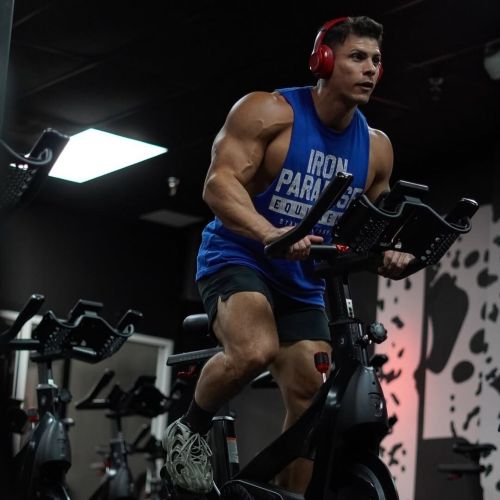
The Scale
Did you know that if you're doing cardio incorrectly, you can lose more muscle than fat? Don't you think the secret to losing fat is cardio and more cardio? Running, swimming, hours of spinning. But what you don't know is that excess cardio triggers cortisol. Cortisol not only blocks fat burning, but it also destroys your muscle.
The result? The scale goes down, but your body never looks defined. Muscle is your greatest asset. It accelerates your metabolism, provides strength, and is what truly shapes your body.
The number on the scale is only one part of the equation. It can vary due to water retention, glycogen levels, or digestion… and that doesn't define your progress.
A well-structured process is reflected in strength, lean mass, measurements, energy levels, rest, and recovery.
The scale doesn't measure how you feel: stronger, firmer, and with better performance.
Therefore, don't focus on just one number: analyze the entire ecosystem and evaluate every detail.
The difference between losing weight and reducing body fat percentage lies in the sustainability of each over time and the results expected by the client.
To reduce body fat percentage and seek body recomposition apply nutritional and training strategies that adapt to the capabilities and characteristics of each individual. That strengthens not only their physique but also their mindset and desire for improvement and makes a plan effective.
Weight is just a number that serves as a reference or a value that helps us perform mathematical calculations to estimate our requirements. As long as this value isn't excessively high, what we should pay more attention to is our body composition and track our progress based on our body composition.
If you waste your time doing poorly structured cardio, it's like shooting yourself in the foot. You work twice as hard and make half the progress. If you want a strategic cardio guide to lose fat without sacrificing muscle, Send me a message and I'll send it to you.
La Motivación
Qué es la Motivación?Es el motivo o la razón que provoca la realización o la omisión de una acción. Se trata de un componente psicológico que orienta, mantiene y determina la conducta de una persona. Es nuestra mente la que determinará hasta dónde podemos llegar.
Siempre me preguntan, ¿cómo haces para estar siempre tan motivado? Y la verdad es que no siempre estoy motivado. Hay días en los que preferiría no levantarme o comer cualquier cosa, o inclusive saltarme los días de entrenamiento. Pero si dependiera la motivación, la motivación va y viene.
El proceso sería inconstante. Lo que realmente sostiene los resultados es la disciplina. La disciplina no depende de cómo te sientes hoy, es hacer lo que hay que hacer aunque no tengas ganas
La fuerza del compromiso no se mide en días, sino en la constancia con la que cada día te levantas a desafiar tus propios límites.
No se trata solo de las horas en el gimnasio o de la dieta estricta. Se trata de la determinación de no ceder cuando las cosas se ponen difíciles, de mantener la visión clara incluso cuando los resultados aún no se ven. Cada repetición, cada sacrificio, cada gota de sudor cuenta en este camino hacia la excelencia.
La verdadera transformación no se da de un día para otro; es el fruto de una dedicación incansable. Aquellos que entienden esto, entienden que la disciplina no es una opción, sino el único camino hacia la grandeza.
Lo que quiero decir es que no importa cómo te sientas, no importa lo que otros piensen o digan de ti, simplemente sigue adelante, no importa qué, sigue creyendo en tus sueños y haz todo lo posible para hacerlos realidad.
Levantarte, entrenar, comer bien y seguir el plan pase lo que pase. Por eso se necesita un plan ajustado a tu rutina diaria, personalizado y con seguimiento. Con eso, la disciplina se construye en toda tu realidad. Los resultados dejan de ser un esfuerzo y se convierten en un hábito real.
Si realmente estás decidido a transformar tu cuerpo y cumplir tus objetivos, envíame un mensaje para guiarte en este proceso.
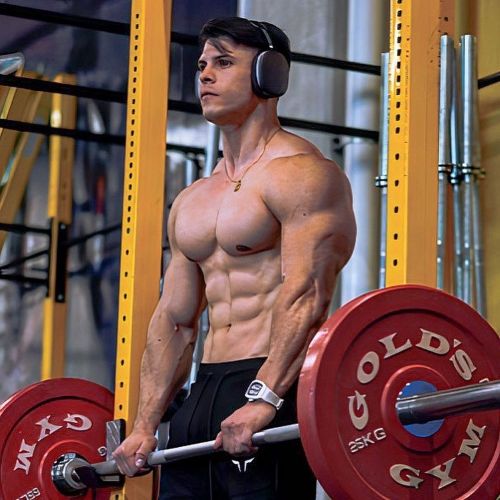
Motivation
What is Motivation?It is the motive or reason that causes the performance or omission of an action. It is a psychological component that guides, maintains, and determines a person's behavior. It is our mind that will determine how far we can go.
People always ask me, "How do you manage to always be so motivated?" And the truth is, I'm not always motivated. There are days when I'd rather not get up or eat whatever I want, or even skip training days. But if it depended on motivation, motivation comes and goes.
The process would be inconsistent. What truly sustains the results is discipline. Discipline doesn't depend on how you feel today; it's about doing what needs to be done even if you don't feel like it.
The strength of commitment is not measured in days, but in the consistency with which you get up every day to challenge your own limits.
It's not just about the hours in the gym or the strict diet. It's about the determination not to give up when things get difficult, to keep the vision clear even when the results are not yet visible. Every repetition, every sacrifice, every drop of sweat counts on this path to excellence.
True transformation doesn't happen overnight; it's the fruit of tireless dedication. Those who understand this understand that discipline is not an option, but the only path to greatness.
What I mean is that it doesn't matter how you feel, it doesn't matter what others think or say about you, just keep going, no matter what, keep believing in your dreams and do everything possible to make them come true.
Get up, train, eat well, and follow the plan no matter what. That's why you need a plan tailored to your daily routine, personalized and with follow-up. With that, discipline is built throughout your entire reality. The results cease to be an effort and become a real habit.
If you are truly determined to transform your body and achieve your goals, send me a message so I can guide you through this process.
Beneficios
Beneficios del entrenamiento de fuerza que quizás algunos no sabían pero es importante tomarlo en cuenta.
- Mejora la postura
- Mejora la densidad ósea
- Aumento de masa la muscular
- Mejora la salud de las articulaciones
- Reduce la grasa corporal y visceral
- Puede prevenir y controlar la resistencia a la insulina
- Mejora la función cognitiva
- Equilibrio y estabilidad energía y metabolismo
- Mejora tu imagen
Ejercitar tu cuerpo y comer saludablemente puede ser bastante desafiante pero esto te ayudará a evitar muchos problemas al verte obligado a luchar contra enfermedades complicadas en el futuro.
Mantener tu cuerpo en forma, flexible y saludable te ayuda a disfrutar de los grandes beneficios de llevar una vida equilibrada.
Además de ganar años de vida, una vida plena y saludable por añadidura logramos vernos bien, uno punto más a favor del fitness.
Si quieres experimentar los beneficios del entrenamiento de fuerza,
envíame
un mensaje y te ayudaré.
Benefits
Benefits of strength training that some may not know, but are important to consider.
- Improves posture
- Improves bone density
- Increases muscle mass
- Improves joint health
- Reduces body and visceral fat
- Can prevent and manage insulin resistance
- Improves cognitive function
- Improves balance, stability, energy, and metabolism
- Improves your appearance
Exercising your body and eating healthily can be quite challenging, but it will help you avoid many problems by preventing you from having to battle complicated diseases in the future.
Keeping your body fit, flexible, and healthy helps you enjoy the great benefits of leading a balanced life.
In addition to gaining years of life, a full and healthy life, we also get to look good—one more point in favor of fitness.
If you want to experience the benefits of strength training, send me a message and I will help you.
Antienvejecimiento
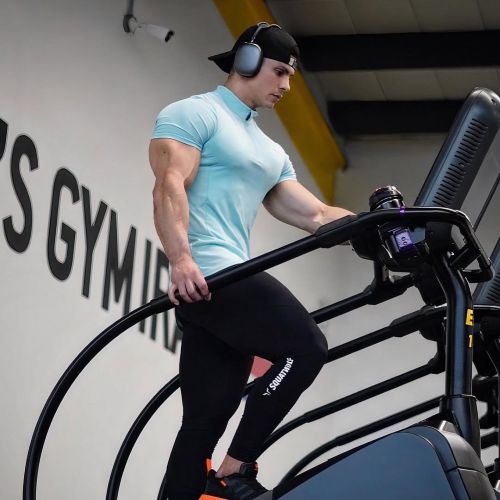
Si tenés más de 30 y no estás entrenando para ganar músculo, estás envejeciendo más rápido de lo que pensás.
A partir de los 30 empezás a perder masa muscular cada año. Y no, eso no solo afecta tu físico…
- Perdés fuerza.
- Bajás tu metabolismo.
- Dormís peor.
- Tenés menos energía.
- Y empezás a acumular grasa donde antes no lo hacías.
No se trata solo de “verte bien”. Se trata de mantenerte funcional, joven, con vitalidad y con un cuerpo que te acompañe. Ganar músculo después de los 30 no es vanidad. Es prevención. Es salud. Es longevidad. Y si pensás que ya es tarde, estás completamente equivocado. Estás justo a tiempo para empezar a cambiarlo todo.
La importancia de mantener un cuerpo fuerte (especialmente después de los 30). Después de los 30, el cuerpo empieza a perder entre un 3 % y un 8 % de masa muscular por década si no se entrena con resistencia. Después de los 50, esa pérdida se acelera aún más. Y cuando el músculo se pierde, no solo se pierde fuerza. Se pierde inmunidad, estabilidad hormonal, metabolismo, energía y hasta claridad mental.
Un cuerpo fuerte no es solo un cuerpo marcado. Es un cuerpo que te permite moverte sin dolor. Dormir profundo. Pensar con enfoque. Y mantener tu independencia con los años. Entrenar no es solo para el ahora. Es una inversión a largo plazo.En tu salud. En tu vitalidad. En tu calidad de vida.
Porque al final, no importa cuánto sepas, cuántos planes tengas o qué tanto hayas construido… Si tu cuerpo no te acompaña, todo lo demás se frena. Por eso lo entreno, lo cuido y lo respeto. Porque sé que es la base de todo lo que quiero seguir construyendo.
Con menos de una hora bien estructurada puedes transformar tu físico mucho más que con largas jornadas sin dirección en el gimnasio. Envíame un mensaje y te mostraré cómo hacerlo.
Anti-Aging
If you're over 30 and not training to build muscle, you're aging faster than you think.
From age 30 onwards, you start losing muscle mass every year. And no, that doesn't just affect your physique…
- You lose strength.
- Your metabolism slows down.
- You sleep worse.
- You have less energy.
- And you start accumulating fat where you didn't before.
It's not just about "looking good." It's about staying functional, young, vital, and having a body that supports you. Gaining muscle after 30 isn't vanity. It's prevention. It's health. It's longevity. And if you think it's too late, you're completely wrong. You're just in time to start changing everything.
The importance of maintaining a strong body (especially after 30). After 30, the body begins to lose between 3% and 8% of muscle mass per decade if you don't train with resistance. After 50, that loss accelerates even more. And when muscle is lost, it's not just strength that's lost. Immunity, hormonal stability, metabolism, energy, and even mental clarity are lost.
A strong body isn't just a toned body. It's a body that allows you to move without pain. To sleep soundly. To think with focus. And to maintain your independence as you age. Training isn't just for the present. It's a long-term investment. In your health. In your vitality. In your quality of life.
Because in the end, it doesn't matter how much you know, how many plans you have, or how much you've built… If your body doesn't support you, everything else slows down. That's why I train it, take care of it, and respect it. Because I know it's the foundation of everything I want to continue building.
With less than an hour of well-structured training, you can transform your physique much more effectively than with long, aimless sessions at the gym. Send me a message and I'll show you how.
Los Suplementos
Parte importante para un atleta de alto rendimiento es su suplementacion, estamos conscientes de que nada reemplaza los nutrientes de los alimentos pero para alcanzar esos requerimientos que se hacen más difíciles de alcanzar por nuestra actividad física es necesario suplir esos macro y micronutrientes de alguna otra fuente.
Además del montón de estrategias que podemos implementar para ganar masa muscular, evitar catabolizar; estrategias que nos pueden ayudar a disminuir el % graso. Por eso y mil razones más los suplementos son una muy buena opción para implementar en nuestra vida deportiva/cotidiana.
Los suplementos no son mágicos ni indispensables. Puedes lograr resultados con entrenamiento, nutrición y un buen descanso, todo inteligentemente, usados correctamente si pueden marcar una gran diferencia.
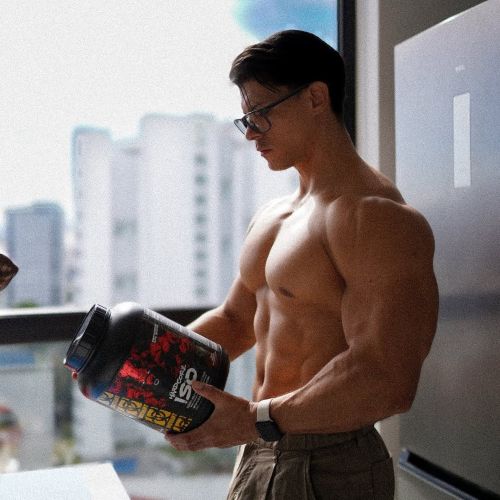
Estos son los tres que yo recomendaría personalmente. Número uno, proteína en polvo. Es práctico, económico y ayuda a llegar a tu requerimiento diario sin estar cocinando todo el día.
Número dos, creatina. Uno de los más estudiados, más respaldado, mejora la fuerza, el rendimiento y ayuda a ganar masa muscular, entre otros.
Número tres, multivitamínico u omega-3, según el caso.
¿Querías saber cuáles otros necesitas vos? Escribeme y yo te ayudo.
Supplements
Were you told that you absolutely need supplements to see results? It's not that simple. Supplements aren't magic or indispensable. You can achieve results with training, nutrition, and proper rest. When used intelligently and correctly, they can make a big difference.
These are the three I would personally recommend. Number one, protein powder. It's practical, economical, and helps you meet your daily protein requirements without having to cook all day.
Number two, creatine. One of the most studied and well-supported supplements, it improves strength, performance, and helps build muscle mass, among other benefits.
Number three, a multivitamin or omega-3, depending on your needs.
Want to know which other supplements you might need? Write to me and I'll help you.